Life After Studying at Pace University in 2026: Careers, Salaries & Success Guide

Introduction
Life After Studying at Pace University in 2026: Careers, Salaries & Success Guide ,Graduating from university marks the beginning of a new chapter. For many students, the next question is, “What happens after graduation?” If you are considering Pace University or are already studying there, understanding your career prospects is essential.
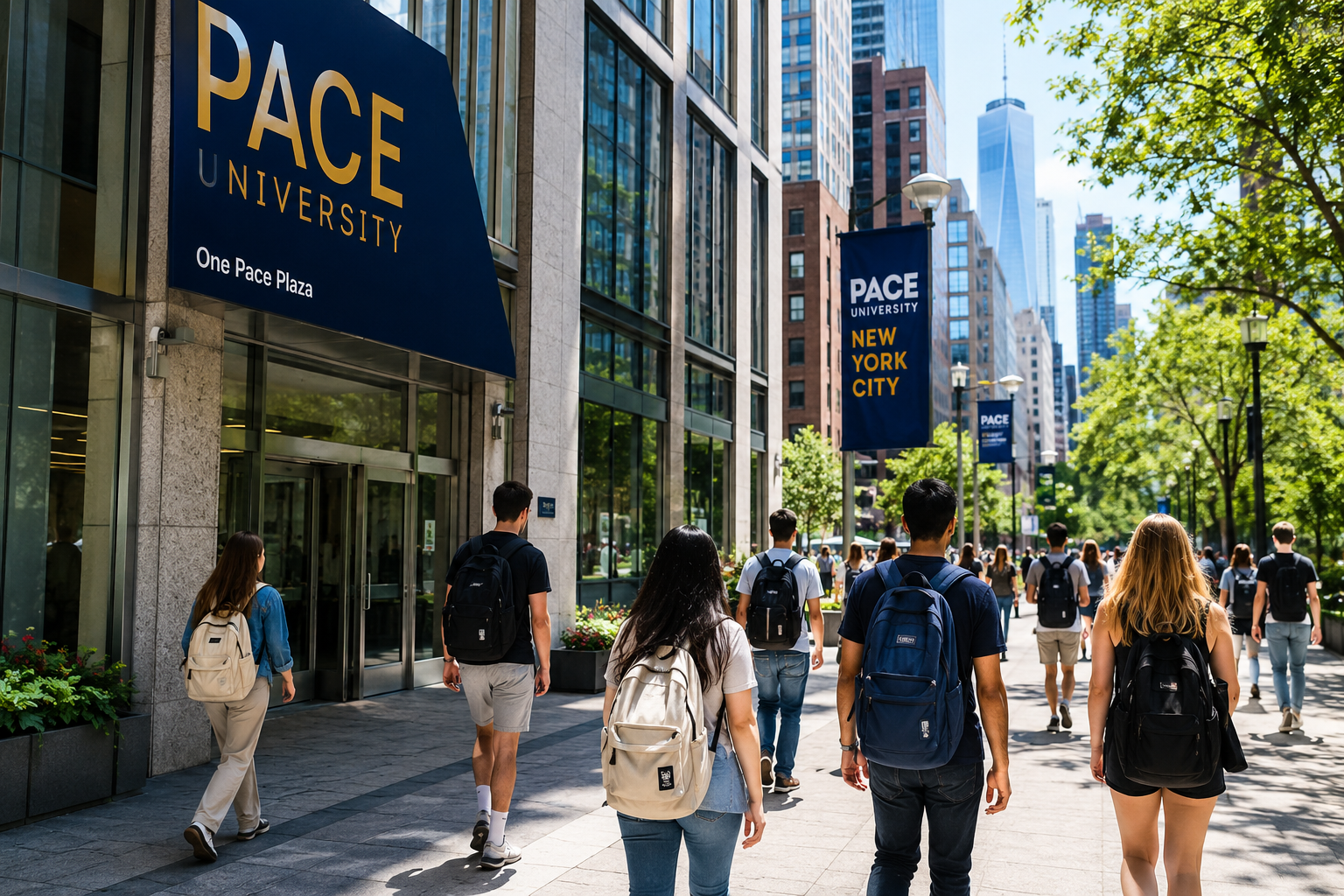
Pace University is known for combining classroom education with real-world experience. Thanks to its campuses in New York City and Westchester, students have access to internships, networking events, and employers across industries such as finance, technology, healthcare, media, education, and business. The university also provides extensive career services, employer partnerships, and internship opportunities that help students transition from college to professional life.
This guide explores what life after studying at Pace University can look like in 2026 and how graduates can build successful careers.
Entering the Job Market
The transition from student to professional can feel challenging, but Pace University provides support before and after graduation. Career advisors help students prepare resumes, improve interview skills, explore career options, and connect with employers through networking events and career fairs.
Graduates commonly pursue careers in:
- Business and Finance
- Accounting
- Computer Science
- Cybersecurity
- Marketing
- Healthcare
- Nursing
- Law
- Education
- Media and Communications
Because New York City is home to thousands of companies, graduates have access to opportunities in both large corporations and growing startups.
Internship Experience Makes a Difference
One reason many Pace graduates find employment quickly is the emphasis on internships during college.
Students are encouraged to gain professional experience before graduation through internships, fieldwork, and employer-sponsored projects. Career Services also connects students with employers through Handshake, networking events, and career fairs.
In 2025, Pace students completed more than 9,000 internships, fieldwork placements, and similar experiential learning opportunities, giving many graduates valuable workplace experience before earning their degrees.
Employment Outcomes
Career outcomes are an important factor when choosing a university.
According to Pace University, the Class of 2024 achieved a 95% employment or continuing education rate within six months of graduation, while the university also reports employment rates consistently above the national average in recent years.
For the Class of 2025, bachelor graduates reported:
- 90% employed, continuing education, or in service
- 82% working in jobs related to their field of study
- Average full-time salary: approximately $75,827
These figures show that many graduates successfully transition into professional careers soon after finishing their studies.
Popular Career Paths
Pace University graduates work in many industries.
Business and Finance
Students from the Lubin School of Business often pursue careers in:
- Financial Analysis
- Investment Banking
- Accounting
- Marketing
- Human Resources
- Business Consulting
New York City’s financial sector provides numerous internship and employment opportunities.
Technology
Graduates in Computer Science and Information Systems commonly work as:
- Software Developers
- Cybersecurity Analysts
- Data Analysts
- IT Consultants
- Cloud Engineers
Technology remains one of the fastest-growing employment sectors in the United States.
Healthcare
Students graduating from healthcare programs may become:
- Registered Nurses
- Healthcare Administrators
- Public Health Specialists
- Medical Researchers
Demand for qualified healthcare professionals continues to remain strong across the country.
Media and Communications
Pace graduates also find opportunities in:
- Journalism
- Public Relations
- Digital Marketing
- Television Production
- Social Media Management
Studying in New York provides valuable exposure to major media organizations.
Building a Professional Network
Success after graduation often depends on professional relationships.
Pace University encourages students to build networks by participating in:
- Career fairs
- Employer presentations
- Alumni networking events
- Industry conferences
- Student organizations
- Professional associations
In Spring 2026, the university hosted a career fair featuring more than 100 employers, including companies such as EY, KPMG, Cisco, FUJIFILM, and Northwell Health.
Networking often leads to internships, mentorship opportunities, and full-time employment.
Continuing Education
Not every graduate enters the workforce immediately.
Many Pace alumni continue their education by pursuing:
- Master’s degrees
- MBA programs
- Law school
- Professional certifications
- Doctoral programs
Graduate education can increase career opportunities and long-term earning potential.
Career Services After Graduation
Career support does not end when students receive their diploma.
Recent graduates can continue using many Career Services resources, including:
- Resume reviews
- Career counseling
- Interview coaching
- Employer connections
- Job search guidance
These services help alumni remain competitive in today’s changing job market.
Skills Employers Value
While academic knowledge is important, employers also look for transferable skills.
Pace University helps students develop:
- Communication skills
- Leadership
- Critical thinking
- Teamwork
- Problem-solving
- Digital literacy
- Professional ethics
- Time management
These skills improve employability across nearly every industry.
Challenges After Graduation
Every graduate faces challenges when entering the workforce.
Common obstacles include:
- Finding the right first job
- Building professional experience
- Adapting to workplace expectations
- Managing student loan repayment
- Competing in a competitive job market
Students who complete internships, attend networking events, and use university career resources are often better prepared for these challenges.
Tips for Career Success
Graduates can improve their career prospects by following a few practical strategies:
- Keep your resume updated.
- Build a professional LinkedIn profile.
- Stay connected with professors and alumni.
- Continue learning through certifications.
- Attend networking events regularly.
- Apply for jobs consistently.
- Improve communication skills.
- Stay informed about industry trends.
Small, consistent efforts can lead to long-term career growth.
Frequently Asked Questions
Do Pace University graduates find jobs quickly?
Many graduates secure employment or continue their education within six months of graduation. Recent university data shows strong employment outcomes compared with national averages.
Does Pace University help students find internships?
Yes. Career Services provides internship resources, employer connections, networking events, and career fairs throughout the academic year.
Which industries hire Pace University graduates?
Graduates work in finance, business, technology, healthcare, education, law, media, marketing, and many other sectors.
Is Pace University good for career growth?
Its location in New York, strong employer partnerships, and career-focused services make it a strong option for students seeking professional opportunities.
Final Thoughts
Life after studying at Pace University can be filled with exciting opportunities for graduates who actively use the university’s resources. From internships and career fairs to employer partnerships and alumni networks, Pace offers students multiple ways to prepare for professional success.
Graduating from Pace University is only the beginning. The knowledge gained in the classroom, combined with practical experience and strong networking opportunities, can open doors across finance, healthcare, technology, business, education, and many other industries. By staying proactive, continuing to build skills, and taking advantage of career support, graduates can position themselves for long-term success in an increasingly competitive global job market.